
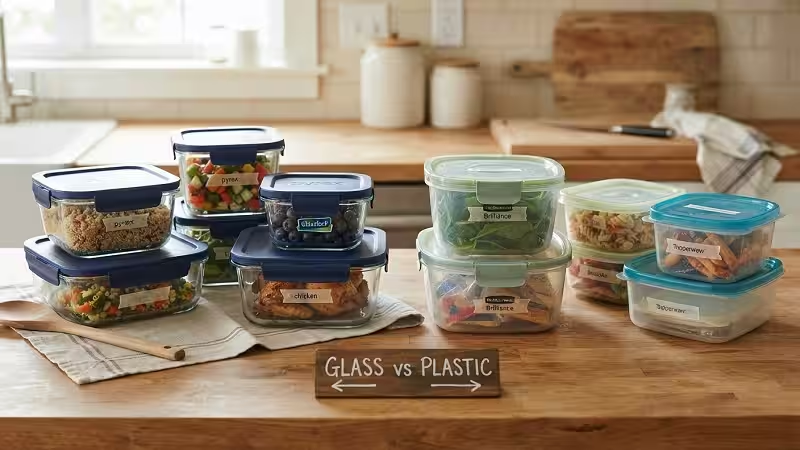
Every kitchen in America has that drawer. You know the one: a pile of mismatched lids, a warped tub, and a tomato-stained container that still smells like last week’s chili. The glass vs plastic containers debate starts right there, and I have lived it for years. As a home organization pro, I have tested dozens of sets in real kitchens with real leftovers and real kids.
So, which material wins? Honestly, it depends on the job. Glass shines for daily reheating, while plastic earns its spot in lunchboxes and travel bags. In this guide, I break down the key differences, share my honest opinion, and review four of the best food storage containers on the market. First, you will see a quick comparison table. Then we will dig into safety, performance, and buying tips—just like we did in our guide to the best bread boxes for freshness. Ready to tame that drawer?
Table of Contents
2. The Best Food Storage Containers at a Glance
Before we dive deep, here is a quick snapshot. I picked these four sets after years of hands-on use. Two are glass, and two are BPA-free plastic. Use the table below to compare them side by side. Then, as you read on, you will see why each one earned a spot. Plus, the table makes it easy to spot which set fits your routine.
| Model | Where to Buy | Material | Pieces | Oven / Microwave | Best For |
|---|---|---|---|---|---|
| Pyrex Simply Store | Check Price | Tempered glass | 18 pcs (9 containers) | Microwave & Oven (no lid) | Everyday reheating |
| Glasslock Locking Lid Set | Check Price | Tempered glass | 18 pcs (9 containers) | Microwave & Oven (no lid) | Soups & leak-proof prep |
| Rubbermaid Brilliance | Check Price | BPA-free Tritan | 14 pcs (7 containers) | Microwave only | Lunches & travel |
| OXO Good Grips Snap-Lid | Check Price | BPA-free plastic | 16 pcs (8 containers) | Microwave only | Kids & small cabinets |
3. Glass vs Plastic Containers: The Core Differences
Before you buy anything, you need to know how these two materials really differ. Here are the three areas that matter most in a busy home kitchen.
Weight, Cost, and Durability
Glass is heavier and costs more up front. A full set can weigh several pounds, which matters if you carry lunch to work every day. Plastic, on the other hand, is light and tough. It survives drops that would shatter a glass dish. However, when comparing glass vs plastic containers, plastic scratches, warps, and clouds over time, so you will replace it more often.
Stains, Smells, and Cleaning
Glass is non-porous, so it does not soak up tomato sauce, curry, or garlic. Wash it, and it looks brand new. Plastic is a different story. It can hold onto color and odors, especially after spaghetti night. Both materials usually handle the dishwasher well. Still, plastic does best on the top rack, since high heat can warp it. This cleaning difference is a major factor in the glass vs plastic containers choice.
Environmental and Long-Term Value
Think about cost per use. A glass set might cost twice as much as a plastic one, yet it can last for a decade or more. Plastic often needs replacing every few years. Glass is also easy to recycle in many areas, though tempered kitchen glass usually is not accepted in curbside bins. Check your local rules first. In the long run, glass often pays off, especially for daily use.
4. Are Glass Containers Better Than Plastic? The Safety Question
Safety is the biggest reason people compare glass vs plastic containers. Let’s look at the facts without the fear.
What Is BPA, and Does BPA-Free Plastic Solve It?
BPA is a chemical once common in hard plastics and can linings. Some studies link high exposure to health concerns, so many brands dropped it. The FDA guidance on BPA in food contact materials explains the current safety position in plain terms. Now, “BPA-free” is a good start. However, the label does not tell you which chemicals replaced BPA. For that reason, I look for trusted brands with clear safety testing.
Do Glass Containers Leach Chemicals?
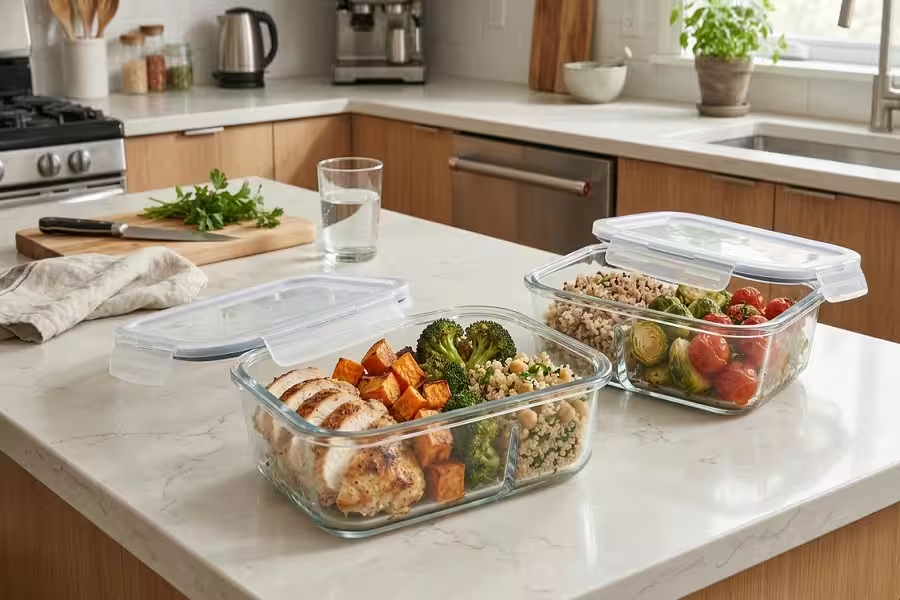
Glass is non-porous and inert. It does not release chemicals into your food, even with acidic sauces. That is a big win for peace of mind. Keep in mind, though, that most glass sets come with plastic lids. The food touches the lid less than the container, but it is still worth choosing lids made from BPA-free materials.
Heat and Plastic: The Real Concern
Heat is the main risk factor with plastic. Hot food and high microwave power can stress the material over time. Therefore, always check the bottom of your container for a “microwave-safe” label. Also, avoid heating fatty or oily foods in plastic for long stretches. When in doubt, move the food to a plate or a glass dish first. Understanding how heat affects glass vs plastic containers helps you protect your family’s meals.
5. Glass vs Plastic Food Storage Containers: Real-Life Performance
Specs on a box only tell part of the story when testing glass vs plastic containers. Here is how each material actually behaves in a working kitchen.
Microwave and Oven Use
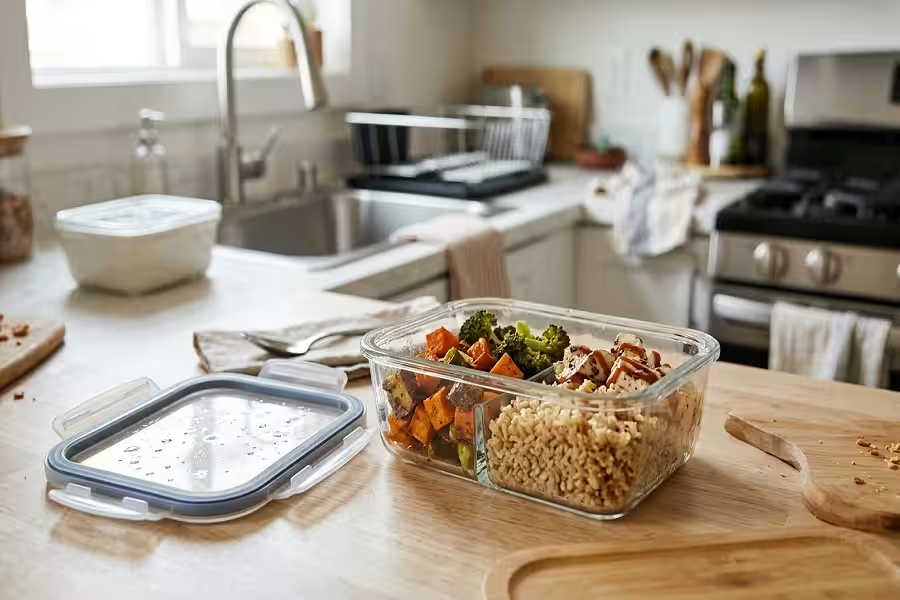
Glass heats food evenly, so you get fewer cold spots in your leftovers. Plastic works well in the microwave too, but it can run hotter at the edges. In the oven, only tempered glass is safe, and you should remove the plastic lid first. Always place glass in a cold or preheating oven, never a hot one. Sudden temperature swings, called thermal shock, can crack it. Also, use vented lids in the microwave so steam can escape.
Fridge and Freezer Performance
Both materials handle the fridge well. Glass keeps odors out and holds cold steadily. In the freezer, leave about an inch of headspace, because food expands as it freezes. This tip matters most for glass, since a packed container can crack. Plastic is more forgiving here. Meanwhile, lid quality makes the biggest difference for either material. Overall, both glass vs plastic containers perform well in cold storage when paired with tight lids.
Meal Prep and Portability
A week of prepped lunches shows the real gap. Glass looks great and reheats beautifully, but five filled containers add real weight to your bag. Plastic is light, stacks neatly, and takes a bump without drama. For storage, nesting plastic sets save more cabinet space. Glass often needs a shelf of its own. Still, many glass sets now stack well, so check the design before you buy. For weekly meal prep, choosing between glass vs plastic containers comes down to how far you carry your bag.
6. My Expert Take: Why Glass Wins for Daily Reheating (and Plastic Wins for Lunches and Travel)
After years of testing, I have a clear opinion. For daily reheating at home, I switched to glass, and I have never looked back. For kids’ lunches and travel, though, I still reach for plastic.
Let me explain the glass side first. I once ruined a favorite plastic container with a single bowl of tomato soup. It came out stained orange, and it smelled like soup for weeks. Glass never does that. It also lets me heat leftovers without worrying about plastic and high heat. Food simply tastes cleaner. Better yet, one dish goes from the fridge to the microwave to the dinner table, so I wash fewer dishes.
Plastic earns its place elsewhere. Kids drop things, and I learned that the hard way when a glass lunch dish cracked on a school floor. Plastic bounces. It also keeps backpacks and picnic bags light. For road trips, nothing beats a stack of sturdy, lightweight tubs.
So, here is my “hybrid kitchen” strategy. Use glass for everything that stays home. Then keep a small set of BPA-free plastic for lunchboxes, travel, and outings. It costs a little more at the start. Even so, this mix gives you the best of both worlds. After all, the glass vs plastic containers debate does not need a single winner.
7. The Best Food Storage Containers: 4 Top-Rated Sets Reviewed
Now for the fun part. To help you decide between glass vs plastic containers, here are four of the best food storage containers I recommend, two glass and two BPA-free plastic. Each review includes its own pros and cons.
Glass Set #1: Pyrex Simply Store
 This is the set I reach for most at home. Pyrex makes sturdy tempered glass that handles the microwave, freezer, and dishwasher with ease. The containers stack neatly, and the color-coded lids make it simple to match each one. It suits anyone who wants a reliable, no-fuss everyday set. However, the lids are plastic, so they need gentle care and should stay out of the oven.
Pros:
- Durable tempered glass that resists stains and odors
- Microwave, freezer, and dishwasher safe
- Stackable design saves cabinet space
- Trusted brand with an easy-to-find replacement lid supply
Cons:
- Lids can warp in high-heat dishwashers
- Heavier than plastic, so it is less ideal for carrying
- Lids are not airtight enough for very liquid-heavy foods
👉 Check Current Price for Pyrex Simply Store on Amazon
Glass Set #2: Glasslock Locking Lid Set
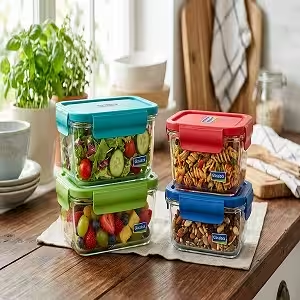 If leaks worry you, this set is a smart pick. Glasslock uses four-sided locking lids with a silicone seal, so soups and sauces stay put. It works well for meal prep and for packing lunch for adults. The tight seal also keeps food fresh longer in the fridge. On the other hand, the locking lids take a little more time to clean around the gasket.
Pros:
- Four-sided locking lids create a tight, leak-resistant seal
- Tempered glass is safe for the microwave, oven (without lids), and freezer
- Keeps food fresh longer
- Great for soups, stews, and sauces
Cons:
- Silicone gasket needs regular, careful cleaning
- Locking lids take up more storage space
- Pricier than basic glass sets
👉 Check Current Price for Glasslock Locking Lid Set on Amazon
BPA-Free Plastic Set #1: Rubbermaid Brilliance
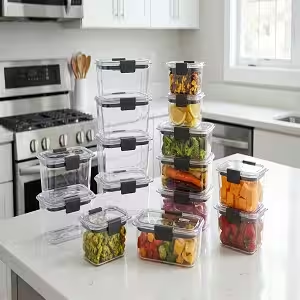 For plastic, this is my top choice. The Tritan plastic stays clear and resists stains better than most budget sets. The lids lock tight, so it is a strong option for kids’ lunches and road trips. Plus, it weighs far less than glass. Even so, it is not oven safe, and you should keep an eye on heat in the microwave.
Pros:
- Lightweight and drop resistant
- Leak-proof locking lids
- Clear design lets you see what is inside
- Resists stains better than standard plastic
Cons:
- Not oven safe
- Can still pick up odors from strong foods over time
- Lids may loosen after many dishwasher cycles
👉 Check Current Price for Rubbermaid Brilliance on Amazon
BPA-Free Plastic Set #2: OXO Good Grips Snap-Lid Set
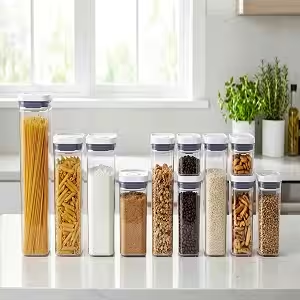 This set shines in small kitchens. The containers nest neatly, and the easy-grip lids snap on with one hand. It is a great fit for busy parents and anyone who values organization. In addition, the lids are simple to open, so kids can handle them too. However, like most plastic, it will show wear after years of heavy use.
Pros:
- Space-saving nesting design
- Easy-grip lids are simple for kids to open
- Lightweight and dishwasher safe
- Affordable for the number of pieces
Cons:
- Not oven safe
- May scratch or cloud with heavy use
- Seals are less tight than locking-lid designs
👉 Check Current Price for OXO Good Grips Snap-Lid Set on Amazon
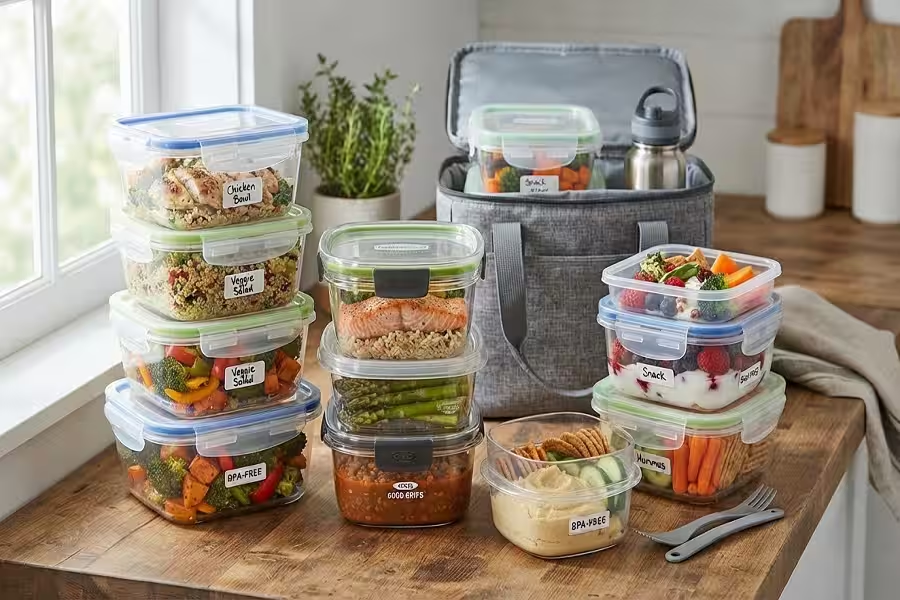
8. How to Choose the Best Food Storage Containers for Your Home
Picking the right set gets easy once you know your routine. Start with how you actually use your kitchen, then check the details that make or break a set.
Match the Container to Your Routine
Ask yourself a few quick questions. Do you reheat leftovers every day? Then choose glass. Do you pack kids’ lunches or travel often? Go with lightweight BPA-free plastic. Do you freeze lots of soup? Pick containers with a tight seal and room for headspace. Is your cabinet space tight? Look for nesting or stackable designs. Weighing glass vs plastic containers against your daily habits guarantees you buy a set you will actually use.
Lids, Seals, and Care Tips
Lids fail first, so inspect them before you buy. Look for a snug fit and a seal that feels sturdy. Next, avoid thermal shock with glass by never moving a container straight from the freezer to a hot oven. Finally, replace plastic once it looks scratched, cloudy, or warped. Proper lid care extends the life of both glass vs plastic containers.
9. FAQ: Glass vs Plastic Containers
Here are quick, straight answers to the questions people ask most.
Are glass containers better than plastic for storing leftovers?
For most home kitchens, yes. Glass does not absorb stains or odors, and it holds up well in the fridge and microwave. Plastic is lighter and more drop resistant, so it still makes sense for lunches and travel.
Is it safe to microwave food in BPA-free plastic containers?
It is generally safe if the container is labeled “microwave-safe.” Use medium heat, vent the lid, and avoid long heating times for oily foods. Replace any container that looks scratched, warped, or cloudy.
Do glass food storage containers leach chemicals into food?
No. Glass is non-porous and inert, so it does not release chemicals into food. The only concern is the lid, which is usually plastic. Choose BPA-free lids and keep them away from direct heat.
Which lasts longer: glass or plastic food containers?
Glass usually lasts longer. With normal care, a tempered glass container can serve you for a decade or more. Plastic often scratches, stains, or warps within a few years, though it survives drops better.
Can you put glass food storage containers directly from the fridge into the oven?
Only if the manufacturer says so, and a cold container should go into a cold or preheating oven. A hot oven can cause thermal shock, which may crack the glass. Always remove plastic lids first.
How do you remove tomato stains and odors from plastic containers?
Wash the container, then soak it in warm water with baking soda for several hours. For stubborn stains, rub on a paste of baking soda and water. Next, let the container sit in direct sunlight to fade the color. Finally, rinse well and air dry.
Are glass meal prep containers worth the extra weight and cost?
Yes, if you mostly eat at home or reheat at work. They last longer, look cleaner, and cost less per use over time. If you carry lunches long distances, a lighter plastic set may fit better.
10. Conclusion
So, which side wins the glass vs plastic containers debate? For me, it comes down to where you eat. Glass is the clear pick for daily reheating at home, since it stays clean, lasts for years, and gives you peace of mind. Plastic still wins for kids’ lunches, road trips, and anything that might hit the floor.
Ready to get started? Pick one set from the table above and make a single upgrade this week. Whether you choose glass vs plastic containers, swapping out your stained, warped containers first will make a real difference. Before long, that cluttered drawer will turn into a kitchen you actually enjoy using.

Sarah Jenkins is a kitchen gear enthusiast and food preservation expert who tests and reviews containers, vacuum sealers, and home organization tools to help families keep their food fresh.