
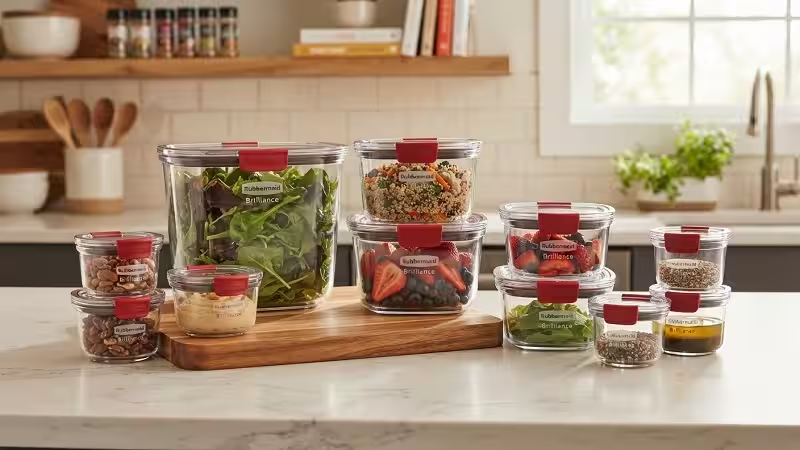
Picture this. You open your lunch bag, and soup has soaked everything inside. Or maybe you pour a bowl of cereal, and it tastes stale. Bad containers waste food and money, and they ruin good plans. That is why I wrote this Rubbermaid Brilliance Set Review. If you are looking for a wide variety of options, you can also check our guide on the best airtight food storage containers for the pantry, but if you want a complete matching set, keep reading.
I have spent years testing food storage for home pantries and emergency supply shelves. Over several weeks, I checked these Rubbermaid Brilliance food storage containers for leaks, stains, stacking, and freezer use. As a result, you will get honest answers, not sales talk. Whether you cook for a family, prep meals every Sunday, or simply love an organized pantry, this guide will help you decide.
Table of Contents
2. Rubbermaid Brilliance Set Review: What You Get in the Box
Opening the box felt good right away. The lids snapped on with a firm click, and the plastic looked crystal clear. Still, looks only matter if the design holds up. So let me walk you through what comes in a typical set.
2.1 Sizes, Shapes, and Lid Design
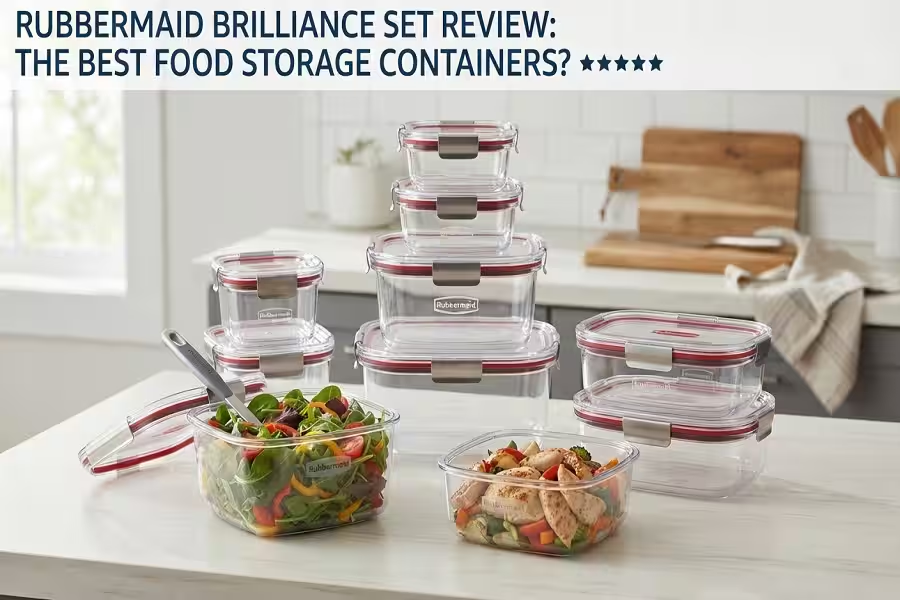
Most Rubbermaid Brilliance food storage containers come in a mix of sizes. You usually get small cups for snacks, medium squares for leftovers, and large rectangles for pasta or flour. Each container has a matching lid, so nothing gets lost in a drawer maze.
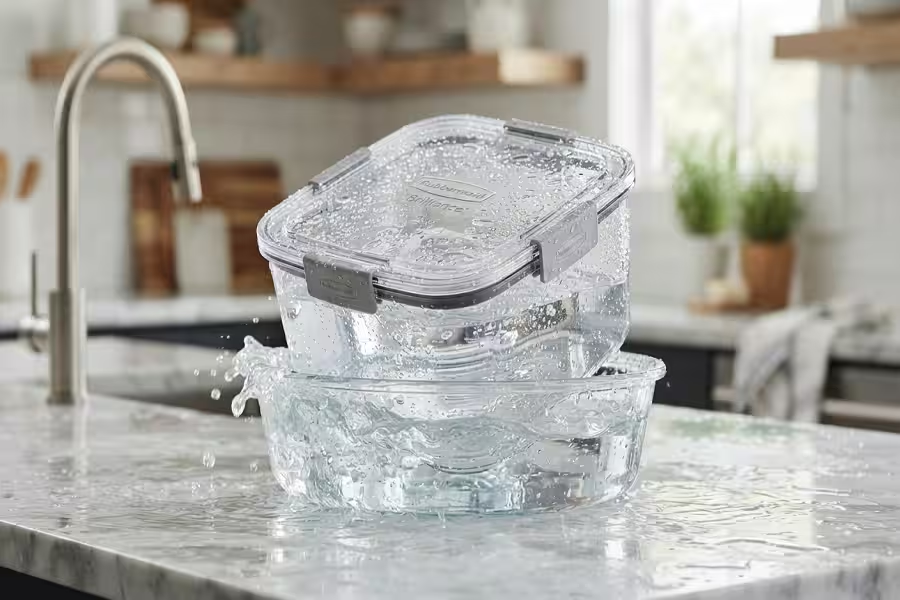
The lids carry four latches, one on each side. Each latch locks down over a silicone gasket. In short, the gasket is the soft ring that blocks air and liquid. The lids are flat on top, which helps a lot when you stack them.
2.2 Materials and Build Quality
The containers use clear, BPA-free plastic. It feels sturdy, yet it stays light. Because the walls are thick, they resist cracks better than thin takeout tubs.
However, the plastic is not glass. It can pick up light scratches after rough scrubbing. For that reason, I use a soft sponge on the sides. The gasket pops out for cleaning, and it slides back in without a struggle.
3. How We Tested the Rubbermaid Brilliance Food Storage Containers
Good reviews need real tests. So I put these containers through a routine that matched normal life. Over several weeks, they lived in my kitchen, pantry, lunch bag, and freezer. I did not baby them.
3.1 My Testing Routine
I built a simple checklist, and I repeated each test more than once:
-
- Leak test: I filled containers with water, closed the latches, and turned them upside down. Then I shook them and tossed them in a bag.
- Stain test: I stored tomato sauce and curry for several days. After that, I washed each container by hand.
- Dishwasher cycles: I ran the lids and bases through the top rack again and again.
- Latch durability: I opened and closed the latches dozens of times a day for two weeks.
- Stack stability: I piled containers three high in the pantry and in the fridge.
3.2 Why You Can Trust These Results
No brand paid me for this review, and no one told me what to write. I bought the set with my own money. As a result, you get my honest view, flaws included.
Of course, every kitchen is different. Your habits, your foods, and your dishwasher may change the results. Still, this routine gives a fair picture of everyday use.
4. Are Rubbermaid Brilliance Containers Leakproof? Our Results
Are Rubbermaid Brilliance containers leakproof? In my tests, the answer was a confident yes for most uses. Still, a few details matter, so let me break down what I saw.
4.1 The Upside-Down Water Test
I filled a medium container to the brim and locked all four latches. Then I flipped it over a sink and waited ten minutes. Not one drop escaped.
Next, I shook it hard and tilted it on its side. The gasket held firm. As a result, I felt safe tossing it into a tote bag. The tight seal comes from the lid design, and the four latches press the gasket down evenly.
4.2 Soups, Sauces, and Oily Foods
Liquids make the real test. I packed hot soup, cold broth, and oily pasta sauce. After that, I carried them on a short car ride. The lids stayed sealed, and my bag stayed dry.
However, I let hot soup cool for a few minutes before closing the lid. Steam builds pressure inside, and that can push on the seal. In short, a little patience prevents a messy surprise.
4.3 Gasket Care Tips
The gasket does the heavy lifting, so treat it well. Here is what works for me:
- Remove it for washing, and clean the groove underneath.
- Dry it fully before you put it back.
- Check it every few weeks for cracks or warping.
- Replace it if it feels loose or stiff.
With this simple care, the seal should stay reliable for years.
5. Best Airtight Pantry Containers? How Brilliance Performs for Dry Goods
Are these the best airtight pantry containers for your shelves? For everyday dry goods, they come very close. Moisture and pests are the biggest enemies of pantry food, so a tight seal matters a lot.
5.1 Keeping Flour, Pasta, and Snacks Fresh
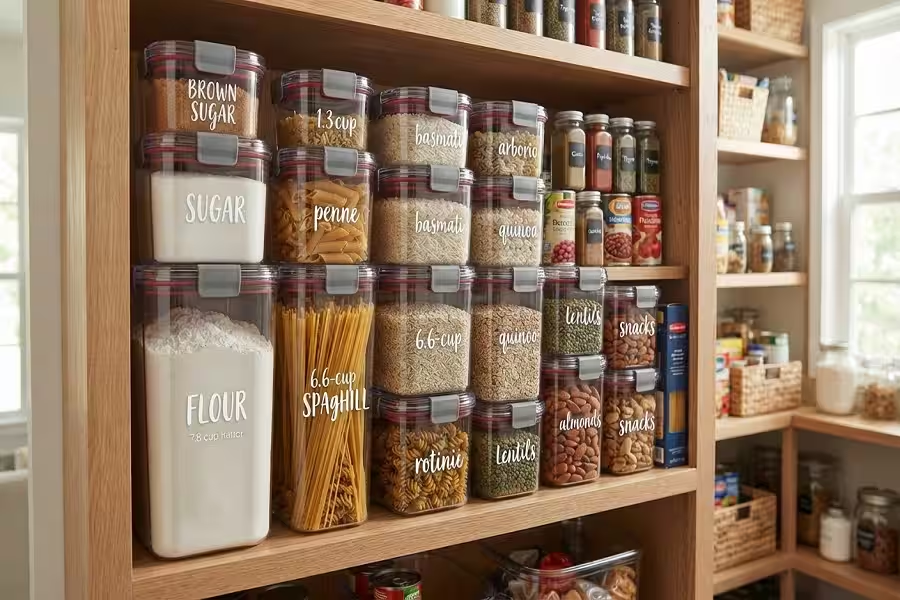
I filled the large containers with flour, pasta, rice, and crackers. Then I left them on the shelf for several weeks. The crackers stayed crisp, and the flour stayed dry and clump-free.
The seal also keeps out pantry moths and other bugs. As a result, I stopped finding surprise visitors in my bags of oats. For example, a half-used bag of pasta now lives in a clear container instead of a folded paper sack. You can see how much is left at a glance, too.
5.2 Pantry Organization and Emergency Prep Use
Clear walls make rotation easy. I label each lid with a purchase date, so the oldest food gets used first. Moreover, the flat lids let me stack three containers high without wobbling.
For a short-term emergency kit, these containers work well for rotating items such as pasta, oats, and snacks. For general storage guidance, the USDA food storage guidance explains safe shelf times for common foods.
However, I need to be honest about the limits. Plastic containers let in a tiny amount of oxygen over many months. For very long-term storage, like years of rice or beans, I still use mylar bags with oxygen absorbers inside food-grade buckets. In short, Brilliance containers shine for the pantry you use every week.
6. Quick Comparison Table: Materials, Leakproofing, Stackability, and Price Value
Numbers and notes work better side by side. This table shows how the Rubbermaid Brilliance food storage containers compare with a glass option and with cheap disposable plastic. Read each row from left to right to see the trade-offs.
| Feature / Product | Rubbermaid Brilliance Plastic [Check Price on Amazon] |
Glass Container Set (Brilliance Glass or Similar) | Cheap Disposable Plastic |
|---|---|---|---|
| Material | Clear, BPA-free plastic | Tempered glass with a plastic lid | Thin, single-use plastic |
| Leakproof performance | Strong, thanks to the gasket and four latches | Strong, but the lid gasket does the work | Weak to moderate |
| Stackability | Excellent, with flat lids and a nesting shape | Good, though heavier to stack high | Often wobbly and uneven |
| Price value | Mid-range, and it lasts for years | Higher cost, with a very long life | Cheapest at first, costly to replace |
In short, the Brilliance plastic set hits the best balance of seal, weight, and price for most households.
7. Rubbermaid Brilliance Plastic vs Glass: Which Wins?
The Rubbermaid Brilliance plastic vs glass debate comes down to how you live. Both materials work well. However, each one shines in a different spot, so let me compare them fairly.
Weight, Portability, and Breakage Risk
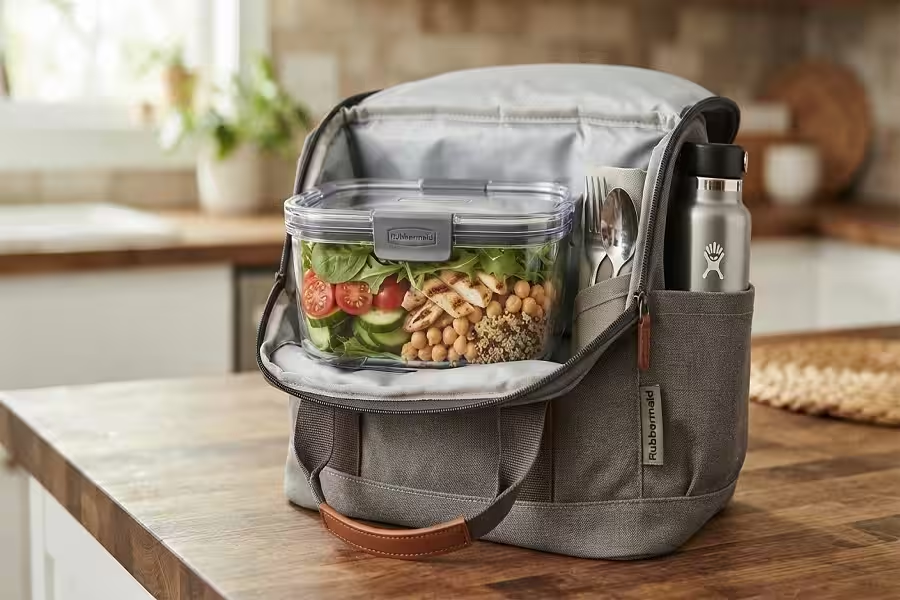
Plastic wins on weight. A full plastic container feels light in a lunch bag, and it survives a drop on the kitchen floor. Glass, on the other hand, is heavy. It can chip or shatter if it slips from wet hands.
Kids and busy commuters usually prefer plastic for this reason. Glass suits people who mostly store food at home and rarely carry it around.
Stains, Odors, and Reheating
Glass resists stains and smells better. Tomato sauce and curry leave no mark on it. Plastic can pick up a faint tint over time, though a soak in warm water with baking soda helps.
Glass also handles the oven and reheating with more ease. Still, plastic works fine in the microwave when you vent the lid first. Always check the label on your exact set for heat limits.
Who Should Pick Each One
Choose plastic if you pack lunches, store pantry goods, or want the lightest option. Pick glass if you reheat often, cook with strong sauces, or dislike any staining. As a result, many households end up with a mix of both.
8. Pros and Cons of the Rubbermaid Brilliance Set
No product is perfect, so here is the honest balance. After weeks of testing, these points stood out the most.
What I Liked
- Tight, reliable seal: The gasket and four latches kept soup and sauce inside, even in a bag.
- Clear walls: You see what is inside at a glance, so food gets used before it spoils.
- Easy stacking: The flat lids let containers sit three high without wobbling.
- Light weight: Plastic travels well and survives drops better than glass.
- Trusted brand backing: Rubbermaid has a long track record and offers a limited warranty on many products.
What Could Be Better
- Stain risk: Tomato sauce and curry can leave a faint tint over time.
- Gentle latch handling: Yanking or forcing the latches may wear them out sooner.
- Scratches: Rough sponges can dull the clear plastic.
- Higher upfront cost: The set costs more than basic plastic tubs.
In short, the strengths outweigh the flaws for most households. The weak spots are also easy to manage with a little care.
9. My Expert Opinion: Why a Durable Set Beats Cheap Disposable Plastic
After years of organizing pantries and emergency shelves, I hold a firm opinion. A good container set is not a luxury. It is a tool that pays for itself, and the numbers explain why.
The Real Cost Over Five Years
Cheap plastic tubs look like a bargain on the shelf. However, they warp, crack, and lose their lids within a year or two. As a result, you buy them again and again. Over five years, those small purchases add up to more than one solid set.
Waste adds up too. Every cracked tub heads to the trash, and that is a lot of plastic for little use. A durable set stays in service for years, so it cuts both cost and clutter.
Food Waste, Safety, and Peace of Mind
Better seals save groceries. The average American household throws away a surprising amount of food each year, and stale or spoiled leftovers are a big part of it. When your flour stays dry and your leftovers stay fresh, you throw less away. For example, a single saved bag of pasta or tray of chicken can cover a good share of the cost of a container.
Safety matters, too. A tight lid keeps pests and moisture out of your food. That is why these Rubbermaid Brilliance food storage containers earn their spot in my kitchen.
Where I Would Not Spend the Money
I also want to stay honest. This set is not the right tool for everything. For bulk, multi-year storage, I skip plastic containers and use mylar bags and food-grade buckets. In the same way, if you only need a container for a one-time party, a cheap tub is fine. Spend on the set for the foods you handle every week.
10. FAQ: Rubbermaid Brilliance Food Storage Containers
Are Rubbermaid Brilliance containers truly leakproof?
Yes, for most everyday uses. The silicone gasket and four latches create a tight seal. In my tests, soup, broth, and sauce stayed inside, even when I tossed the container into a bag. However, always let hot food cool slightly before you close the lid.
Do Rubbermaid Brilliance containers stain or scratch over time?
They can, but the effect is mild. Tomato sauce and curry may leave a faint tint, and rough sponges can dull the plastic. A soft sponge and a baking soda soak help a lot.
Are they microwave and dishwasher safe?
Yes, most Brilliance containers are both microwave and dishwasher safe. Vent the lid before heating, and place pieces on the top rack. Still, check the label on your exact set.
Rubbermaid Brilliance plastic vs. glass: which should you buy?
Buy plastic if you want light weight, drop resistance, and easy carrying. Choose glass if you reheat often or hate stains. Many households keep both.
Do the latches break easily after repeated use?
No, not with normal care. Mine held up through dozens of daily openings. Even so, forcing a stuck latch can wear it down, so open and close them gently.
Can these containers handle freezer storage without cracking?
Yes, in most cases. The thick plastic handles cold well. Leave a little room at the top for liquids to expand, and let the container cool before freezing.
Are Rubbermaid Brilliance sets stackable to save pantry space?
Yes, they stack very well. The flat lids and matching shapes let me pile three containers high without wobbling. As a result, they use shelf space far better than mixed, mismatched tubs.
11. Final Verdict: Is the Rubbermaid Brilliance Set Worth It?
So, is it worth it? After weeks of testing, my answer is yes for most American households. This Rubbermaid Brilliance Set Review showed a tight seal, easy stacking, and clear walls that make pantry life simpler. Even better, the set holds up for years, so you stop buying cheap tubs again and again.
Of course, it is not perfect. Plastic can stain, and the latches need gentle hands. Buy this set if you pack lunches, organize a pantry, or rotate short-term emergency food. Skip it if you want glass only or need multi-year bulk storage. If the fit sounds right, grab one set, start with your pantry staples, and see the difference for yourself.

Sarah Jenkins is a kitchen gear enthusiast and food preservation expert who tests and reviews containers, vacuum sealers, and home organization tools to help families keep their food fresh.