
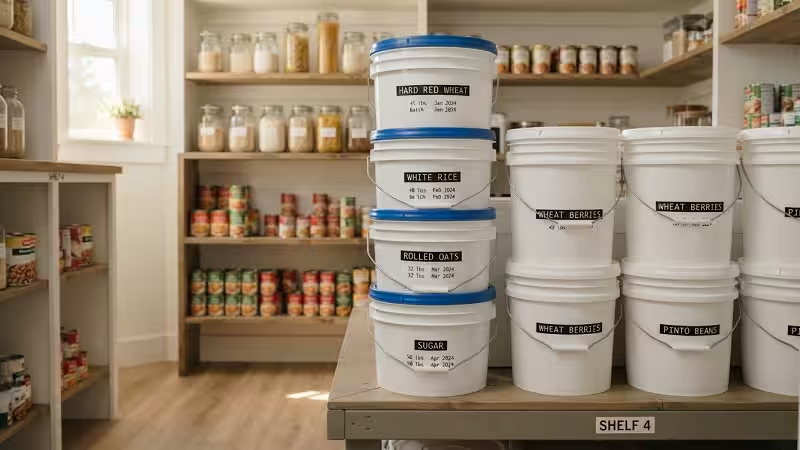
Grocery prices keep climbing, and more American households are turning to bulk buying as a smart way to stretch their budgets. Whether you’re stocking up for emergency preparedness or simply tired of weekly store runs, storing food in bulk only works if you protect it properly. That’s where the right containers come in.
Choosing the best 5-gallon food storage buckets isn’t just about grabbing whatever bucket you find at the hardware store. Not all plastic containers are created equal, and the wrong choice can lead to contaminated food, unpleasant odors, or a broken seal that lets in pests and moisture. Meanwhile, the right bucket can protect your rice, beans, flour, and other staples for years.
In this guide, we’ll walk through everything you need to know: what “food-grade” actually means, which features matter most, and how to prep your buckets before use. We’ll also cover gamma lids, share a comparison table for quick reference, and answer the most common questions people ask about long-term bucket storage. By the end, you’ll know exactly how to build a pantry that lasts.
2. What Makes a Bucket “Food Grade” Anyway?
2.1 Understanding HDPE and Plastic Resin Codes
Not every plastic bucket is safe for food, even if it looks clean and sturdy. The safest option is high-density polyethylene, commonly known as HDPE. You’ll recognize it by the recycling symbol with the number 2 stamped on the bottom of the container. This resin code tells you the plastic is durable, resistant to chemical leaching, and approved for direct contact with food.
Buckets made from other plastics may release harmful compounds over time, especially when storing items long-term. Therefore, checking that stamp before you buy is a simple habit that protects your entire pantry. Additionally, true food-grade buckets are manufactured in facilities that follow strict hygiene standards, unlike buckets built for paint, chemicals, or construction materials.
2.2 Food-Grade vs. Industrial-Grade Buckets
Here’s where many people get tripped up. A bucket can be white, clean-looking, and still be completely wrong for food storage. Industrial-grade buckets, often used for joint compound or pool chemicals, may contain residues embedded in the plastic that no amount of washing can fully remove.
Consequently, sourcing genuine food-grade buckets for storage means buying new from a trusted supplier or confirming the bucket’s original use if it’s secondhand. Restaurants and bakeries sometimes sell used buckets that held food-safe ingredients like frosting or pickles, making them a budget-friendly option. However, always ask before assuming.
3. Key Features to Look for in the Best 5-Gallon Food Storage Buckets
3.1 Material Thickness and Durability
When looking for 5-gallon food storage buckets, material thickness matters more than most people realize. Thin, flimsy plastic can crack under pressure, especially when buckets are stacked or moved often. Look for buckets rated at least 90 mil or thicker, since these hold up better against dents, punctures, and daily wear. Thicker walls also do a better job blocking light, which helps preserve the nutritional value of stored food over time.
Furthermore, sturdy buckets resist warping when temperatures shift between seasons. A bucket stored in a garage or basement faces heat in summer and cold in winter, so durability isn’t optional if you’re planning for years of storage rather than months.
3.2 Lid Compatibility and Seal Quality
A bucket is only as good as its lid. Even the thickest, most durable HDPE bucket won’t protect your food if the lid doesn’t create a tight seal. Before buying, check that the lid snaps on evenly around the entire rim without gaps or looseness. A poor seal invites moisture, insects, and even rodents into your carefully stored supplies.
Meanwhile, some lids are designed specifically for compatibility with gamma seal lids, which we’ll cover in more detail later. If you plan to access your stored food regularly, this compatibility is worth prioritizing from the start.
3.3 BPA-Free Certification
Finally, confirm your buckets are BPA-free. Bisphenol A is a chemical once common in plastic manufacturing, linked to potential health concerns with long-term exposure. Reputable food-grade buckets for storage are explicitly labeled BPA-free, giving you peace of mind for years of use. This certification, combined with HDPE construction, forms the foundation of a safe, reliable storage system.
4. Top Picks: Best Food-Grade Buckets for Storage This Year
4.1 The Classic All-Purpose Bucket
For most households, a straightforward 5-gallon HDPE bucket with a standard snap-on lid covers the basics well. These buckets are widely available at hardware stores and often come at the lowest price point. They work best for short-to-medium term storage of dry goods like rice, pasta, or pet food. However, the seal isn’t always airtight, so pairing them with a mylar bag inside boosts protection significantly.
4.2 The Gamma-Lid Ready Bucket
If you access your stored food often, buckets designed for gamma lid compatibility are worth the investment. These buckets feature a reinforced rim that holds the screw-top gamma lid securely, allowing repeated opening without damaging the seal. They’re ideal for flour, sugar, and other kitchen staples you use regularly.
4.3 The Heavy-Duty Bulk Storage Bucket
For serious long-term preppers, heavy-duty buckets with thicker walls and UV-resistant plastic offer the best protection. These bulk food storage containers resist cracking in extreme temperatures and block more light, helping preserve food quality for years rather than months. They typically cost more upfront but pay off through durability.
4.4 The Stackable Space-Saver
Some buckets are designed with slightly tapered or reinforced bases specifically for safe stacking. If pantry space is tight, these are a smart choice, letting you store more food vertically without risking collapsed stacks when using reliable 5-gallon food storage buckets.
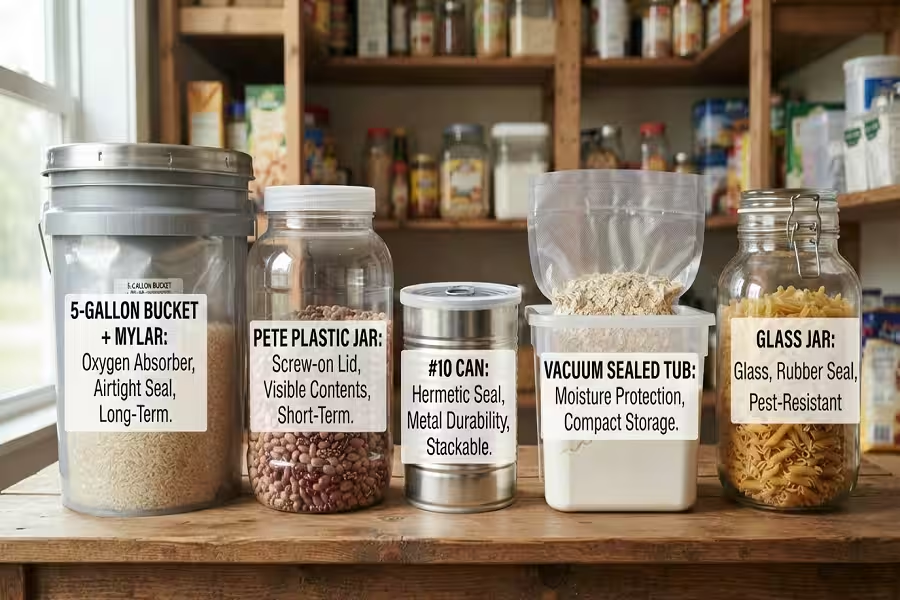
5. Comparison Table: Capacity, Material, Lid Type & Best Uses
Choosing between different bulk food storage containers gets easier when you can compare them side by side. Below is a quick-reference table covering capacity, material, lid type, and which staples each option suits best.
| Bucket Type | Capacity | Material | Lid Type | Gamma Compatible | Best Staple | Approx. Price |
|---|---|---|---|---|---|---|
| Classic All-Purpose | 5 gallons | HDPE #2 | Snap-on | No | Rice, pasta, pet food | $8–$12 |
| Gamma-Lid Ready | 5 gallons | HDPE #2 (reinforced rim) | Screw-top gamma | Yes | Flour, sugar, coffee | $15–$25 |
| Heavy-Duty Bulk Storage | 5 gallons | Thick-wall HDPE #2, UV-resistant | Snap-on or gamma | Yes | Beans, grains, long-term staples | $20–$30 |
| Stackable Space-Saver | 5 gallons | HDPE #2 | Snap-on | Sometimes | Mixed dry goods | $12–$18 |
As you can see, the right bucket depends largely on how often you plan to open it and how long you intend to store your food. For instance, gamma-lid ready buckets shine when you need frequent access, while heavy-duty options are better suited for supplies you won’t touch for years. Ultimately, matching the bucket to your specific storage goals saves both money and hassle down the road.
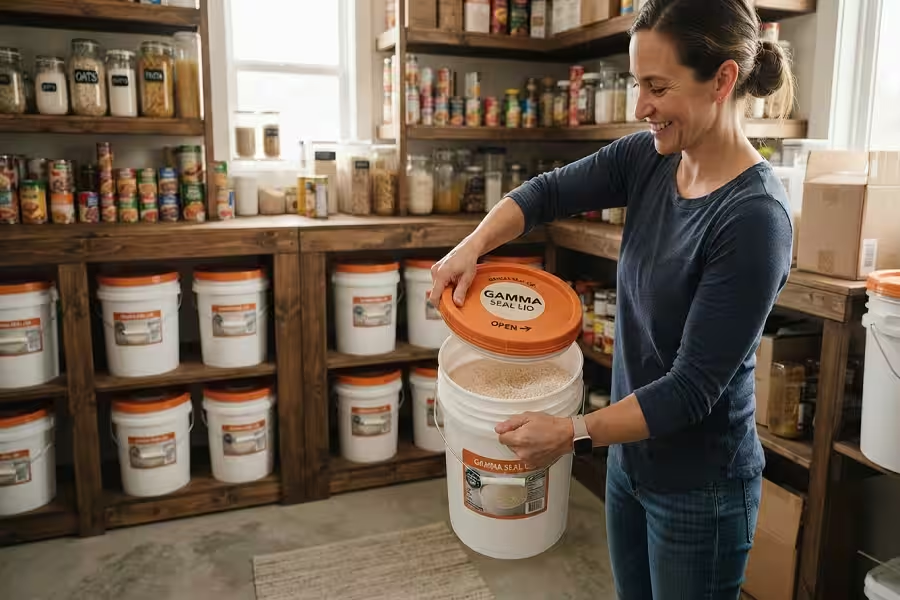
6. Gamma Lids 101: Why They’re Worth the Upgrade
6.1 How Gamma Lids Work
A gamma lid is actually a two-piece system: an outer ring that snaps permanently onto the bucket, and an inner lid that screws in and out. This design means you never have to pry off a stuck lid again. Instead, you simply twist the inner lid open, grab what you need, and twist it shut. The rubber gasket inside creates an airtight, pest-resistant seal every single time.
For anyone managing 5 gallon buckets with gamma lids as part of a rotating pantry system, this convenience makes a real difference. You’ll actually use your stored food instead of avoiding it because opening the bucket feels like a chore.
6.2 Screw-Top vs. Snap-Top Lids
Standard snap-top lids work fine for buckets you rarely open, since prying them off occasionally isn’t a big deal. However, repeated removal weakens the seal over time, leading to warping or cracking along the rim. Screw-top gamma lids avoid this problem entirely, making them the better choice for staples you access weekly or monthly, like flour, sugar, or coffee.
Consequently, many experienced preppers use a mixed approach: snap-top lids for long-term “deep storage” buckets, and gamma lids for the buckets they rotate through regularly. This combination balances cost with convenience, since gamma lids typically cost a few dollars more per bucket but save frustration and protect your seal quality for years of repeated use.
7. Industry Insight: Why Cheap Buckets and Warped Lids Ruin Long-Term Storage
Here’s an opinion I’ll stand firmly behind after years of watching people’s storage plans fail: cutting corners on buckets is the single most common mistake in long-term food preservation. People will spend hours researching the perfect freeze-dried meals or debating oxygen absorber brands, then grab whatever bargain bucket sits on the clearance shelf. That decision undoes everything else.
Non-food-grade plastic isn’t just a technicality. Over months of contact with oily or acidic foods, these buckets can leach chemicals into your supplies, especially in warmer storage areas like garages or sheds. You won’t taste it or see it, which makes it more dangerous, not less. Meanwhile, warped lids are a slower, quieter failure. A lid that no longer sits flush lets in humidity, and humidity is the enemy of every grain, bean, and powder in your pantry.
I’ve seen buckets opened after two years of “storage” only to reveal clumped, moldy flour because the lid warped slightly from a temperature swing nobody noticed. That’s not a food problem; it’s a container problem. The frustrating part is that certified HDPE buckets with proper gamma or snap-seal lids often cost only five to ten dollars more per unit. Spread across a five-year storage window, that’s pennies per month.
My honest take: treat your buckets as the foundation of your entire storage system, not an afterthought. Invest once in certified food-grade buckets for storage, and you’ll never have to second-guess what’s inside them.
8. How to Properly Prep Bulk Food Storage Containers Before Use
8.1 Cleaning and Sanitizing Steps
Before filling any of your 5-gallon food storage buckets, proper cleaning matters, even if it’s brand new. Manufacturing residue, dust, and packaging chemicals can linger on the plastic. Start by washing the bucket and lid with warm water and a mild, unscented dish soap. Avoid strong-smelling cleaners, since plastic can absorb odors that later transfer to your food.
Next, rinse thoroughly to remove all soap residue. For used buckets, an extra step helps: wipe the interior with a diluted bleach solution, roughly one tablespoon of bleach per gallon of water, then rinse again until no bleach smell remains. This sanitizing step kills any lingering bacteria from previous use, giving you a genuinely clean surface for your dry goods.
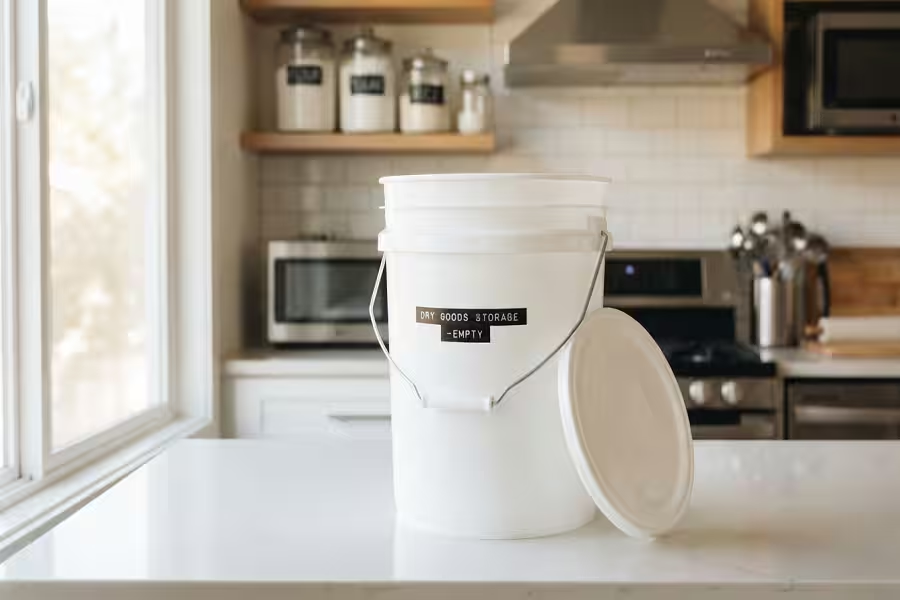
8.2 Drying and Odor Removal
Once washed, drying completely is essential. Any trapped moisture inside the bucket can lead to mold growth once you seal it, undoing all your hard work. Flip the bucket upside down on a clean towel and let it air dry for several hours, or speed things up with a clean cloth.
If a faint plastic or chemical smell remains, place an open box of baking soda inside the sealed bucket for 24 to 48 hours. This trick absorbs lingering odors naturally, without introducing new chemicals. Afterward, give the bucket one final wipe-down before adding your mylar bag or food staples. Skipping this prep stage is a common mistake that leads to disappointing results later.
9. Best Foods to Store in 5-Gallon Buckets (Rice, Beans, Flour & More)
9.1 Grains and Legumes
Rice, dried beans, and whole grains like oats or wheat berries are ideal candidates for bucket storage. These foods have naturally low moisture content, which means they resist spoilage well when sealed properly. For best results, store them inside a mylar bag with oxygen absorbers before placing them in your bucket. If you want a complete breakdown on choosing the right liners, you can check our detailed guide on the best mylar bags for long-term food storage. This combination can extend shelf life to 20 years or more for items like white rice and hard red wheat.
9.2 Flour, Sugar, and Baking Staples
Flour and sugar also store well, though flour benefits from slightly more attention due to its natural oils, which can turn rancid faster than plain grains. Using gamma lids for these staples makes sense since you’ll likely access them more often for everyday cooking and baking. Sugar, on the other hand, stores almost indefinitely when kept dry, making it a low-maintenance addition to your bucket lineup.
9.3 Foods to Avoid Storing Long-Term This Way
Not everything belongs in a bucket. High-fat items like nuts, whole grain flours, or anything with natural oils spoil faster, even with oxygen absorbers, since fats degrade over time regardless of oxygen exposure. Similarly, avoid storing foods with high moisture content, like dehydrated fruit that isn’t fully dried, since trapped humidity encourages mold growth. When in doubt, stick to shelf-stable dry goods inside your 5-gallon food storage buckets for the best long-term results.
10. Common Mistakes to Avoid When Using Food-Grade Buckets for Storage
Even with the best 5-gallon food storage buckets, small mistakes can undermine your entire setup. Here are the most common ones to watch for:
- Skipping the mylar bag. Buckets alone aren’t fully airtight or light-proof. Pairing them with a mylar liner adds an extra barrier against oxygen and moisture.
- Forgetting to label and date buckets. Without labels, you’ll lose track of what’s inside and how long it’s been stored, leading to wasted food or guesswork later.
- Storing buckets in direct sunlight. UV exposure degrades plastic over time and can raise internal temperatures, speeding up food degradation.
- Using mismatched lids. Not every lid fits every bucket brand perfectly. A loose or ill-fitting lid compromises your seal, even if the bucket itself is high quality.
- Stacking buckets incorrectly. Uneven stacking puts pressure on lower buckets, risking warped lids or cracked walls over time.
- Ignoring temperature swings. Storage areas that fluctuate wildly between hot and cold, like uninsulated garages, shorten the lifespan of both your buckets and the food inside.
Avoiding these pitfalls is straightforward once you know what to look for. Ultimately, a little extra care during setup pays off with years of reliable, safe storage.
11. Frequently Asked Questions
Can you store food directly in a 5-gallon bucket without a mylar bag?
Yes, but it’s not ideal for long-term storage. Buckets alone provide a decent barrier against pests and light, but they aren’t fully airtight or oxygen-proof. For storage beyond a year, a mylar bag with oxygen absorbers significantly extends shelf life and prevents moisture buildup.
How many oxygen absorbers do you need for a 5-gallon bucket?
Most 5-gallon buckets require one 2,000cc oxygen absorber packet, or two 1,000cc packets combined. The exact amount depends on how tightly packed the food is and how much air space remains inside the bag.
Are all white plastic buckets food grade?
No. Color has nothing to do with safety. Only buckets marked with the HDPE #2 recycling symbol and explicitly labeled food-grade are safe for storing food. Industrial buckets used for chemicals or construction materials often look identical but aren’t safe, even after cleaning.
How do you clean and sanitize used 5-gallon buckets before storing food?
Wash with warm water and mild dish soap, rinse thoroughly, then sanitize with a diluted bleach solution of one tablespoon per gallon of water. Rinse again and let the bucket air dry completely before adding food.
What is the lifespan of food stored in 5-gallon buckets with gamma lids?
When paired with mylar bags and oxygen absorbers, grains and legumes can last 20 to 30 years. Items like flour or sugar typically last 10 to 15 years under the same conditions, assuming proper storage temperature and humidity control.
Do gamma lids keep pests and rodents out of bulk food?
Yes, when properly sealed, gamma lids create an airtight barrier that rodents and insects cannot penetrate. The rubber gasket inside the lid is key to maintaining this pest-resistant seal over time.
How high can you safely stack filled 5-gallon buckets?
Most experts recommend stacking no more than three to four buckets high on a flat, stable surface. Stacking higher risks tipping and puts excess pressure on the bottom buckets, which can warp lids or crack walls over time.
12. Final Thoughts: Building a Pantry That Lasts
Building a reliable long-term pantry comes down to getting the fundamentals right, and your bucket choice sits at the very foundation. Throughout this guide, we’ve covered what makes a bucket truly food-grade, the features worth prioritizing, and how gamma lids can transform your everyday storage experience. We’ve also walked through proper prep steps and highlighted which foods thrive in bucket storage versus which ones don’t.
The biggest takeaway is simple: don’t cut corners here. Investing in certified HDPE buckets with quality lids costs a little more upfront, but it protects everything you’re working to store. A few extra dollars per bucket is a small price compared to losing months of stockpiled food to a warped seal or contaminated plastic.
Whether you’re just starting your emergency preparedness journey or looking to upgrade an existing setup, choosing the best 5-gallon food storage buckets sets you up for success for years to come. Take the time to clean and prep your containers properly, pair them with mylar bags and oxygen absorbers when needed, and store them in a stable, temperature-controlled space. Your future self, opening a bucket of perfectly preserved rice or beans a decade from now, will thank you for the extra care today.

Sarah Jenkins is a kitchen gear enthusiast and food preservation expert who tests and reviews containers, vacuum sealers, and home organization tools to help families keep their food fresh.