
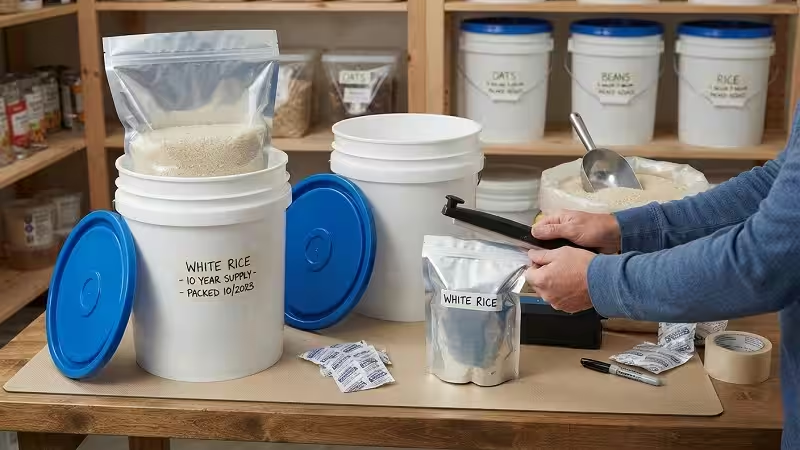
If you’ve ever wondered how to store rice for 10 years, you’re already thinking like a smart prepper. Rice is one of the most reliable foods you can stockpile, but only if you store it the right way. Toss a bag of rice in your pantry as-is, and you’re looking at maybe a year or two before quality drops. However, with the correct approach, that same rice can stay safe and tasty for a full decade or longer.
This guide walks you through everything you need to know, from picking the best way to store rice long term to avoiding the mistakes that ruin even well-intentioned storage projects. We’ll cover container choices, sealing methods, ideal conditions, and the exact steps for storing white rice long term in buckets. By the end, you’ll have a complete, actionable plan for building a rice supply that actually lasts. Let’s get started.
2. Understanding Rice as a Survival Staple
2.1 Nutritional and Practical Benefits of Rice
Rice earns its spot at the top of every prepper’s list for good reason. It’s packed with calories, easy to cook, and pairs well with almost any other food you have on hand. A single 5-gallon bucket can hold roughly 33 pounds of rice, which translates to thousands of calories in one compact container. Additionally, rice requires only water and heat to prepare, making it practical even during power outages when you’re relying on a camp stove or fire.
Beyond convenience, rice is affordable compared to many other long-term staples. Consequently, it’s one of the most cost-effective ways to build a substantial emergency food reserve without breaking your budget.
2.2 White Rice vs. Brown Rice for Long-Term Storage
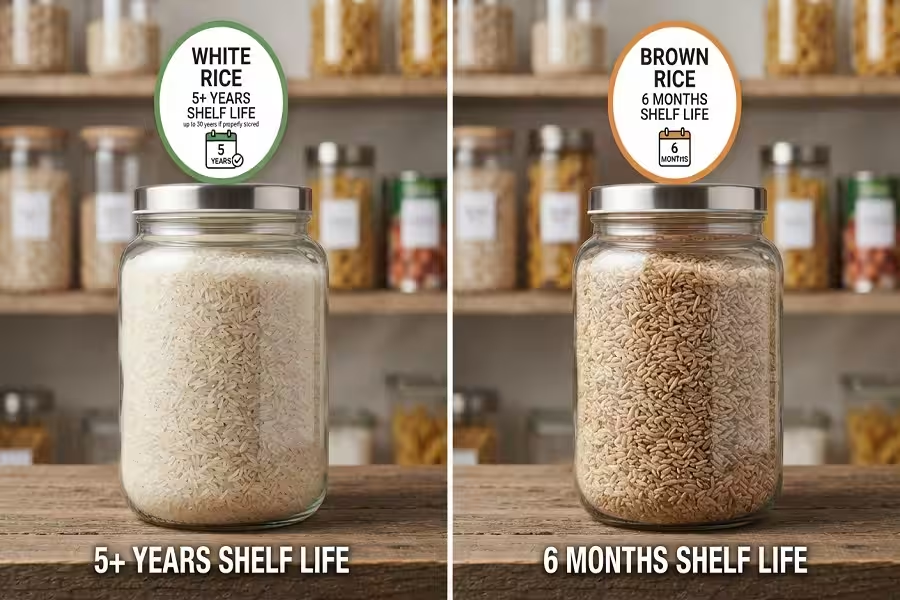
Not all rice is created equal when it comes to long-term storage. White rice has had its outer bran layer removed, which strips away most of the natural oils. Since oils are what cause food to go rancid, white rice can last significantly longer than brown rice under identical conditions.
Brown rice, on the other hand, retains those oils along with extra fiber and nutrients. Unfortunately, this means it typically only stays fresh for 6 to 12 months, even with proper storage. Therefore, if your goal is storing white rice for long-term emergency preparedness spanning a decade, white rice is the clear winner every time.
3. How to Store Rice for 10 Years: The Core Method
So, what’s the best way to store rice long term? After years of testing and real-world results, one method stands above the rest: combining a food-grade HDPE bucket, a mylar bag, and oxygen absorbers. This three-part system creates multiple layers of protection against the four enemies of stored food—oxygen, moisture, light, and pests.
Here’s how it works. The mylar bag acts as a flexible, airtight barrier that blocks out light and moisture while sitting inside the rigid bucket. Meanwhile, the oxygen absorbers pull nearly all the oxygen out of the sealed bag, which prevents oxidation and stops any insect eggs from hatching. Finally, the HDPE bucket provides physical protection against rodents, crushing, and accidental punctures.
Why does this combination work so much better than any single method alone? Because each component covers a weakness the others can’t. A bucket alone still lets oxygen and moisture reach the rice. A mylar bag alone offers no protection against a dropped box or a determined mouse. Together, though, they create a storage system trusted by preppers, homesteaders, and disaster relief organizations alike. This is precisely the method we’ll walk through step-by-step in the next section.
4. How to Store White Rice Long Term in Buckets (Step-by-Step)
4.1 Supplies You’ll Need
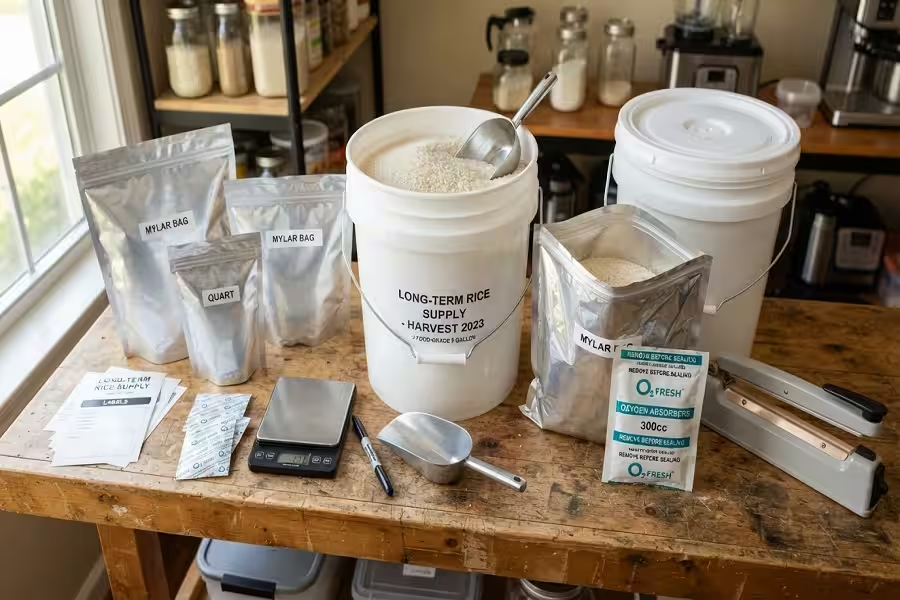
Before you start gathering your supplies, it is essential to review our complete breakdown on 5 gallon buckets with gamma lids to understand the structural requirements. Once you have your containers ready to store rice for 10 years, you will need a food-grade 5-gallon HDPE bucket, a 5-gallon mylar bag rated at 5-7 mil thickness, and 2000cc worth of oxygen absorbers (typically two 1000cc packets or four 500cc packets). You’ll also want a gamma seal lid for easy access, a kitchen scale, and either a clothes iron or an impulse sealer to close the mylar bag.
Don’t forget oven mitts, since sealed mylar can get warm during the process, plus a permanent marker for labeling. Having everything laid out beforehand prevents rushed mistakes once your oxygen absorbers are exposed to air.
4.2 Step-by-Step Packing Process
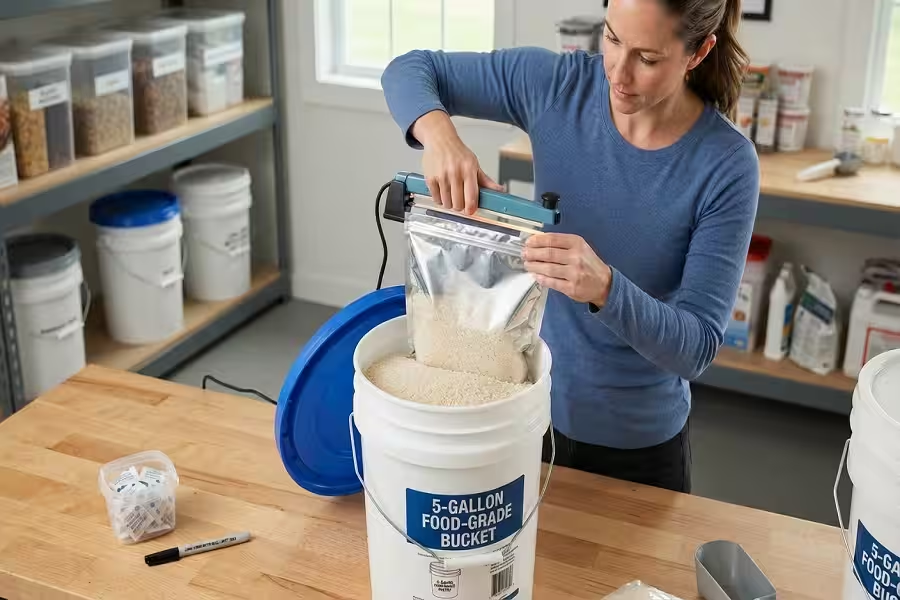
First, place the mylar bag inside your empty bucket, folding the top edge over the rim to hold it open. Next, pour in your rice, leaving about 2 inches of headspace at the top. Working quickly, drop in your oxygen absorbers and press out as much air as possible from the bag.
Then, seal the mylar bag using your iron or impulse sealer, creating a tight, wrinkle-free seam. After sealing, let the bag sit for 20 minutes and check that it’s pulled in tight around the rice, confirming the absorbers are working. Finally, snap on your gamma lid, label the bucket with the contents and date, and you’re done.
5. Choosing the Right Containers: HDPE Buckets vs. Alternatives
5.1 What Makes HDPE Buckets Ideal
High-Density Polyethylene, or HDPE, is the gold standard for long-term food storage containers. This material is strong, chemically stable, and resistant to cracking even after years of use. Look for buckets marked with a “2” recycling symbol and labeled “food-grade,” since this confirms the plastic won’t leach chemicals into your rice over time.
Furthermore, HDPE buckets are thick enough to deter rodents and tough enough to survive being stacked or accidentally bumped. Most food-grade buckets also meet FDA standards, meaning they’re specifically manufactured without the questionable additives found in industrial or non-food plastics.
5.2 Why Non-Food-Grade or Thin Plastic Buckets Fail
Not every bucket at the hardware store is safe for food. Many industrial buckets, like those used for paint or drywall compound, contain residual chemicals absorbed into the plastic itself. Even after washing, these chemicals can transfer into your rice, creating an off taste or, worse, a health risk.
Additionally, thinner plastic buckets are more prone to cracking under stress or temperature swings, which compromises your entire seal. Consequently, choosing a container based on price alone rather than certification often leads to disappointing results when you finally open your stockpile years later. That is why following the recommended process is critical if your goal is how to store rice for 10 years.
6. Mylar Bags and Oxygen Absorbers: The Science Behind the Seal
6.1 How Mylar Blocks Light, Moisture, and Pests
Mylar bags are made from a metalized polyester film that creates a nearly impenetrable barrier. Unlike regular plastic bags, mylar blocks out virtually all light, which prevents the slow degradation that occurs when food is exposed to UV rays over time. This matters because even trace light exposure can gradually break down nutrients and affect flavor across a decade of storage.
Moreover, mylar’s structure makes it highly resistant to moisture and oxygen transfer, two factors that accelerate spoilage and encourage mold growth. Since the material is also tough enough to resist punctures from insects or their larvae, it adds a critical layer of pest protection that a bucket alone simply can’t provide.
6.2 How Oxygen Absorbers Prevent Spoilage and Insect Survival
Oxygen absorbers work through a simple but powerful chemical reaction. Inside each packet, iron powder oxidizes, or rusts, and in doing so, it actively pulls oxygen out of the sealed environment. Within a day or two, oxygen levels inside your mylar bag drop below 0.5%, creating conditions where mold, bacteria, and insects simply cannot survive.
This is especially important for rice, since many grains carry microscopic insect eggs that survive milling. Without oxygen, these eggs never hatch, effectively neutralizing a threat you might not even know was there. Consequently, this step isn’t optional if your goal is how to store rice for 10 years.
7. Industry Opinion: Why Cutting Corners Ruins Long-Term Rice Preservation
Here’s something I’ve seen time and again after years of helping people build food storage systems: the buckets that fail are almost always the ones where someone tried to save a few dollars. I understand the temptation. A used bucket from a bakery seems free and convenient, and skipping the mylar bag feels like an easy shortcut. However, these shortcuts almost always come back to bite you, usually years later when it’s too late to fix the problem.
Used food-service buckets often carry residual odors and bacteria from their previous contents, things like pickle brine or frosting, that no amount of washing fully removes. Meanwhile, skipping mylar entirely leaves your rice vulnerable to the slow oxygen exchange that happens through bucket lids, even ones that seem tightly sealed. I’ve personally opened “sealed” buckets after five years, only to find clumping, off smells, and unmistakable insect activity, all because someone assumed a bucket alone was enough.
On the other hand, every properly sealed HDPE bucket with mylar and oxygen absorbers that I’ve opened, even after a full decade, has delivered rice that looks, smells, and cooks exactly like the day it was packed. That consistency isn’t luck. It’s the direct result of using certified materials and following the process correctly, rather than assuming “close enough” will hold up under real-world conditions. When your family’s food security is on the line, spending an extra few dollars on proper mylar and verified food-grade buckets isn’t an expense. It’s cheap insurance.
8. Storing White Rice for Long-Term Emergency Preparedness: Ideal Conditions
8.1 Temperature and Humidity Considerations
Even the best sealing method can’t fully overcome poor storage conditions. Temperature plays a massive role in how long your rice actually lasts, since heat accelerates the breakdown of starches and any residual oils. Ideally, aim to keep your buckets in a space that stays between 50-70°F year-round, avoiding areas prone to extreme swings.
Humidity matters too, though your mylar seal handles most of this concern. Still, storing buckets in a damp basement or humid garage increases the risk of rust on metal lids or gamma seal threads over time. As a result, a cool, dry, and relatively stable environment gives your rice the best possible chance of hitting that full 10-year mark.
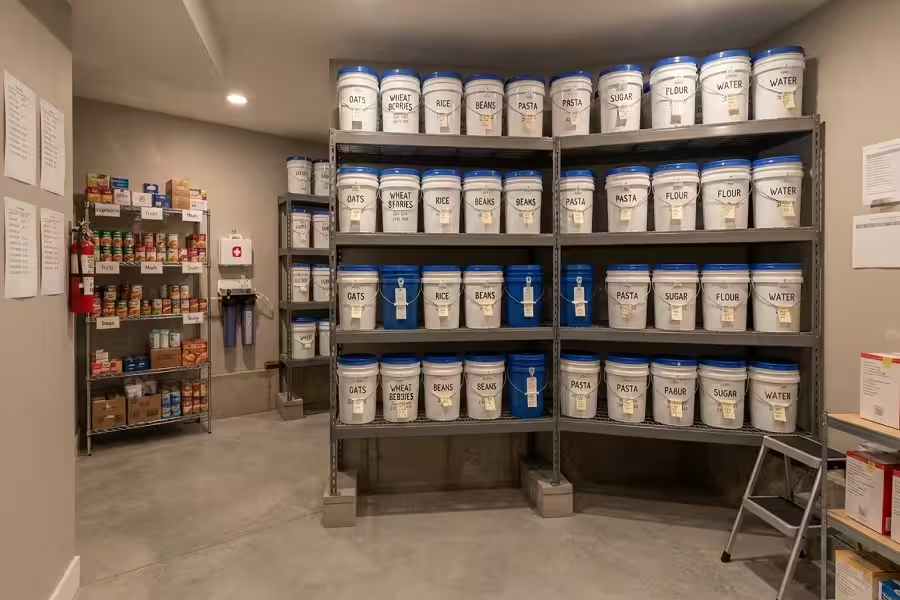
8.2 Best Storage Locations in a Home
So, where should you actually put your buckets? Interior closets, under-bed storage, and climate-controlled basements tend to work best, since they avoid the temperature extremes found in garages or attics. Avoid spots near furnaces, water heaters, or exterior walls, as these areas often experience more dramatic temperature shifts throughout the year.
Additionally, keep buckets off concrete floors when possible, using a wooden pallet or shelf instead. This simple step prevents condensation from forming on the bucket’s bottom, which can eventually affect the integrity of your gamma lid seal over many years of storage.
9. Comparison Table: Storage Methods, Materials, and Shelf Life
Choosing the right combination of container, lid, and sealing method makes all the difference in how long your rice actually stays edible. The table below breaks down common storage approaches so you can quickly compare your options and understand exactly why some methods vastly outperform others.
| Storage Method | Container Type | Lid Type | Oxygen Barrier | Expected Shelf Life |
|---|---|---|---|---|
| Original packaging | Paper/plastic bag | None | None | 3-6 months |
| Plastic bin only | Non-food-grade bin | Snap lid | None | 6-12 months |
| HDPE bucket only | Food-grade HDPE | Standard lid | None | 1-2 years |
| HDPE bucket + gamma lid | Food-grade HDPE | Gamma seal | None | 2-3 years |
| HDPE bucket + mylar (no absorber) | Food-grade HDPE | Standard/gamma | Partial | 3-5 years |
| HDPE bucket + mylar + O2 absorber | Food-grade HDPE | Gamma seal | Full | 10+ years |
As you can see, the gap between basic storage and the complete system is enormous. Skipping even one component, whether it’s the mylar layer or the oxygen absorbers, cuts your expected shelf life dramatically. This is precisely why the best way to store rice long term always involves all three elements working together, not just one or two.
10. Common Mistakes to Avoid When Storing Rice Long-Term
Even well-intentioned preppers make mistakes that shorten their rice’s shelf life. The most common one is skipping oxygen absorbers entirely, assuming the mylar bag alone provides enough protection. Without absorbers, residual oxygen inside the bag continues to degrade your rice slowly, cutting years off its potential lifespan.
Another frequent error involves using the wrong bucket size for the amount of oxygen absorbers added. Too few absorbers for a large bucket leaves excess oxygen behind, while too many can occasionally cause the mylar to over-compress and stress the seal. Always match your absorber quantity to your container size for the best results.
Poor sealing technique also trips people up, especially when using a clothes iron for the first time. A wrinkled or incomplete seal creates tiny gaps where air can slowly seep back in over months and years. Take your time here, and consider doing a test seal on scrap mylar first if you’re new to the process.
Finally, storing buckets in unsuitable locations undoes even perfect packing. Garages, attics, and areas near heat sources expose your rice to temperature swings that accelerate degradation, regardless of how well you sealed everything. Choosing a stable, cool location is just as important as the packing process itself, so don’t treat it as an afterthought if you want to learn how to store rice for 10 years successfully.
11. Maintenance and Rotation Tips for Your Rice Stockpile
Proper storage doesn’t end once your buckets are sealed and shelved. Regular maintenance ensures your investment stays protected for the long haul. Start by labeling every bucket clearly with the contents, packing date, and quantity, using a permanent marker directly on the lid or an attached label. This simple habit prevents confusion later and helps you track which buckets are approaching their expected shelf life.
Next, perform a quick visual check every six months or so. Look for any signs of bulging, moisture around the base, or damage to the gamma lid seal. A properly sealed mylar bag should still feel tight and vacuum-sealed against the rice inside; if it feels loose or soft, that’s worth investigating further.
Additionally, practice a first-in, first-out rotation system if you’re building a larger stockpile over time. Place newer buckets toward the back and older ones toward the front, so you naturally use up older rice before it approaches the end of its shelf life. This approach works especially well if you supplement your emergency stash with rice you also use for everyday cooking.
Finally, keep a simple inventory list, whether on paper or in a spreadsheet, noting pack dates and locations. This way, you’ll always know exactly what you have and when it’s time to consider repacking or replacing older buckets in your collection.
12. Frequently Asked Questions (FAQ)
Can you store rice directly in a 5-gallon bucket without a mylar bag?
Yes, but shelf life drops significantly, typically to just 1-2 years. Without mylar, oxygen and moisture can still reach the rice through microscopic gaps in the lid seal, leading to faster degradation and increased pest risk.
How many oxygen absorbers do you need for a 5-gallon bucket of rice?
Most experts recommend 2000cc total per 5-gallon bucket. This usually means two 1000cc packets or four 500cc packets, depending on what’s available and how the rice is packed.
Does brown rice last 10 years using this same method?
Unfortunately, no. Brown rice contains natural oils in its bran layer that go rancid over time, regardless of oxygen removal. Even with proper mylar and absorber storage, brown rice typically only lasts 6-12 months before quality noticeably declines.
How do you know if an oxygen absorber is still active before use?
Fresh, active absorbers feel slightly warm to the touch and are somewhat pliable. If a packet feels rock-hard and doesn’t warm up when handled, it’s likely already spent and won’t effectively remove oxygen from your sealed bag.
What is the ideal storage temperature for long-term rice preservation?
Aim for a consistent range between 50-70°F. Cooler temperatures slow down any remaining chemical degradation, while stable conditions prevent condensation issues that can compromise your seal over time.
Do gamma lids keep pantry pests and weevils out of stored rice?
Yes, gamma lids create a tight, threaded seal that prevents pests from entering the bucket. However, they work best alongside mylar and oxygen absorbers, since these address any pest eggs already present inside the rice itself.
How high can you safely stack filled rice buckets?
Most food-grade HDPE buckets can safely stack 3-4 high when empty shelving isn’t available. However, always check manufacturer guidelines, since stacking height limits can vary based on bucket wall thickness and lid type.
13. Conclusion: Building a Reliable 10-Year Rice Supply
Learning how to store rice for 10 years doesn’t require complicated equipment or advanced skills, just the right materials and a little patience. By combining a certified food-grade HDPE bucket, a properly sealed mylar bag, and the correct number of oxygen absorbers, you’re building a storage system that consistently delivers results decade after decade.
Remember, the details matter here. Choosing white rice over brown rice, avoiding cheap or used containers, and storing your buckets in a cool, stable location all play critical roles in your final outcome. Skipping any single step might save you time or money upfront, but it often costs you far more when you finally open that bucket years down the road, hoping for fresh, edible rice.
Ultimately, storing white rice for long-term emergency preparedness is one of the smartest, most cost-effective investments you can make for your family’s food security. Start with just one bucket if you’re new to this process, then build your stockpile gradually as your confidence grows. With the method outlined in this guide, you’ll have peace of mind knowing your rice supply will be ready whenever you need it, whether that’s next year or a full decade from now.

Sarah Jenkins is a kitchen gear enthusiast and food preservation expert who tests and reviews containers, vacuum sealers, and home organization tools to help families keep their food fresh.